This one is mostly just me complaining. You’ve been warned.
For the second day in a row this week I found myself staring at my ceiling at 3am. I wish I could say this was some sort of romantic self-struggle that I’ll ultimately overcome in Act 3, but the reality is less romantic. For whatever reason, I just can’t sleep. Part of the issue in solving this is that there are so many factors to consider when talking about sleep. This issue forces an inventory of every possible thing that may or may not have had an effect. Sleep the night before? Screen time? Caffeine? Environment? Bedtime? Dinner time? At some point, you begin to feel like your body is just deficient. I can’t say this week is the only time I’ve run into this as of late. It’s recurring.
I feel like I’m doing this more broadly in my life as time goes on, trying to micromanage body balances and chemicals. There are so many people giving solutions to problems based on how certain actions affect certain chemicals in our brains. To some extent it’s a miracle and one that routinely saves lives. Someone with diabetes, or cholesterol issues, or actual insomnia really value those numbers. But, at points, it does seem we’ve gone too far. Do I really need to study an article about how whey protein affects metabolism to get the most out of life? Do I have to track how having another drink is going to affect my sleep score?
Now, I know what you’re saying: “No, Colin, you don’t have to. No one is making you do that.”
— I am making me do that.
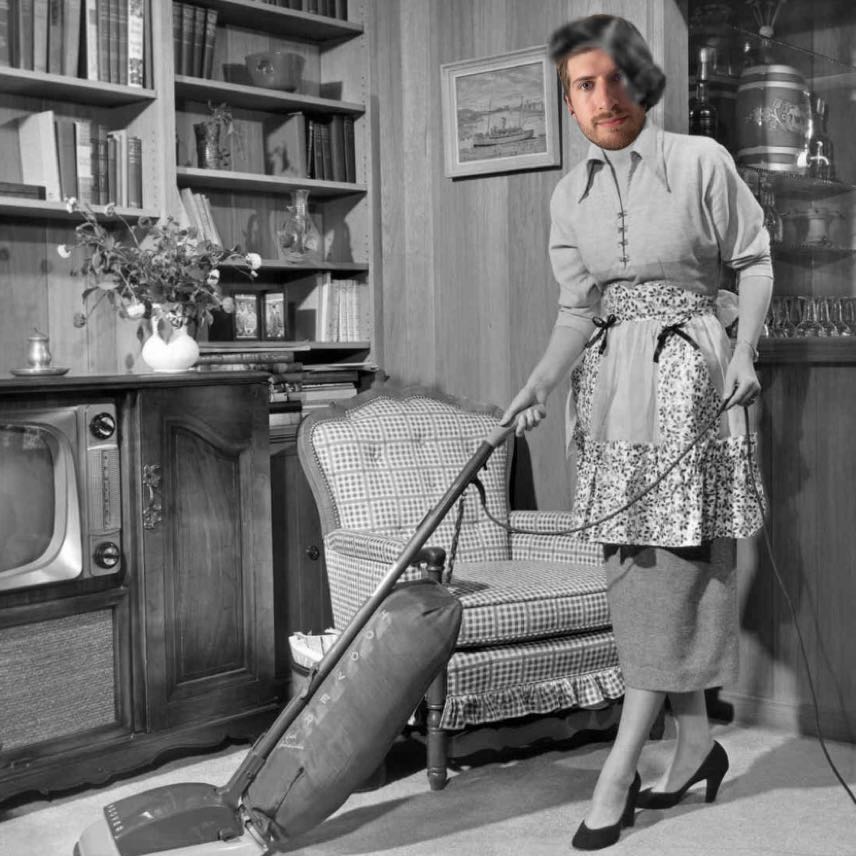
I’m sitting at this body control panel that entirely affects how I feel at any given moment and there are scientifically backed guides for how to use it. Obviously I want to read the guides. Especially when I have an issue like this week. It’s like popping open a manual for an old, broken vacuum cleaner. How do you not at least try to fix it?
The reason we even need manuals to begin with is that we are misusing the hell out of these things. Every article about dopamine or any other chemical in the brain has an obligation to explain the completely non-sequitur origin of that chemical purpose from when humans roamed in Tanzania 100,000 years ago. Half of all these issues come from living a 21st century life in a BC body. I’m not saying we should return to nomadic life, but it puts us in this position of doing extra management for our bodies that no other animal has ever done (or needed to do.) It is a big slice of the human burden, and I feel it regularly. In that light, it makes the tools we have look a bit more favorable. Coal miners 200 year ago had all of the dissonance I’m feeling now, but few resources on why their bodies fought with them constantly

Colin Whittaker (2025, colorized)
All this data, all this knowledge comes to a crescendo when it’s taken advantage of by someone that’s not you. And, naturally, my complaints turn towards the familiar target of online media.
Call me selfish, but I want a media delivery system that doesn’t abuse that access for more margin. I’m not the only one. Something I came across recently is the idea of a “DOPAMINE MENU.” The basic concept is that rather than slip into doom-scrolling social media, you can organize a list of alternative dopamine sources that are more agreeable to human existence. That can be because they’re less addicting, healthier, better made, or otherwise a better option. Instead of TikTok, try a walk, or journaling, or baking bread from scratch. That kind of thing. I’m not sure how I feel about these menus.
On one end, they seem to work for some people, and anything that slows the relentless blitzkrieg of social media into our lives is valuable. On the other end: yet another bodily metric I have to manage that no one before 1900 was even aware of. When Billy Joel wrote Vienna, he didn’t know we’d all be neurotically tracking 50,000 metrics all at once with IoT technology and social algorithms. The city of Vienna hasn’t increased in population in 100 years, and it seems the cultural Vienna has stagnated just as much. It’s all so complicated.

Slow down, you crazy child
Hyper awareness, corporate abuse, lack of oversight, and human vulnerability have made life really, really complicated. In a time of overwhelming wealth and stunning technological advance, life can feel like neurotic bean counting and dodging minefields of wasted time and money. In many ways this is unavoidable – sign ‘o the times. But in the ways it’s avoidable, I’d like to. I’d like to enjoy life as naturally as possible, whatever that really means. I’m lucky to be sitting at this vacuum cleaner, even if I’m not using it remotely for its intended purpose, and even if I have to check the guide to figure out how to use it occasionally. Maybe it’s okay to tinker with the vacuum, as long as we still remember to enjoy the room we’re cleaning.
Colin
P.s I know I just wrote about living life naturally, but I collected some of my own sleep correlations and it turns out my highest sleep scores were highly related to how long I slept more than anything. Go figure.

–